Our Services
We are committed to serving adults with intellectual and developmental disabilities in ways that honor their dignity, choices and rights.
Built on choice and self-determination
We believe every adult has the right to direct their own life. Our approach centers on choice, empowerment and self-determination, so the individuals we serve can build the independent lives they want. Our pledge is to support adults with intellectual and developmental disabilities in a close, community-like setting where independence is the goal.
We work alongside the individuals we serve as partners, in the everyday places that make up their lives. Every service follows the individual’s own plans (their Person-Centered Plan and our Provider Implementation Plan) and happens at home and in their community.
Services at a glance
- 6services, each centered around the person
- PIPevery service follows the individual’s Provider Implementation Plan
- DDAdecides eligibility and funding
- 10areas served: nine counties and Baltimore City
What we provide
Every service is shaped by the individual’s own plan.
Jump to:Residential SupportSupported LivingPersonal SupportsCommunity DevelopmentRespite CareTransportation
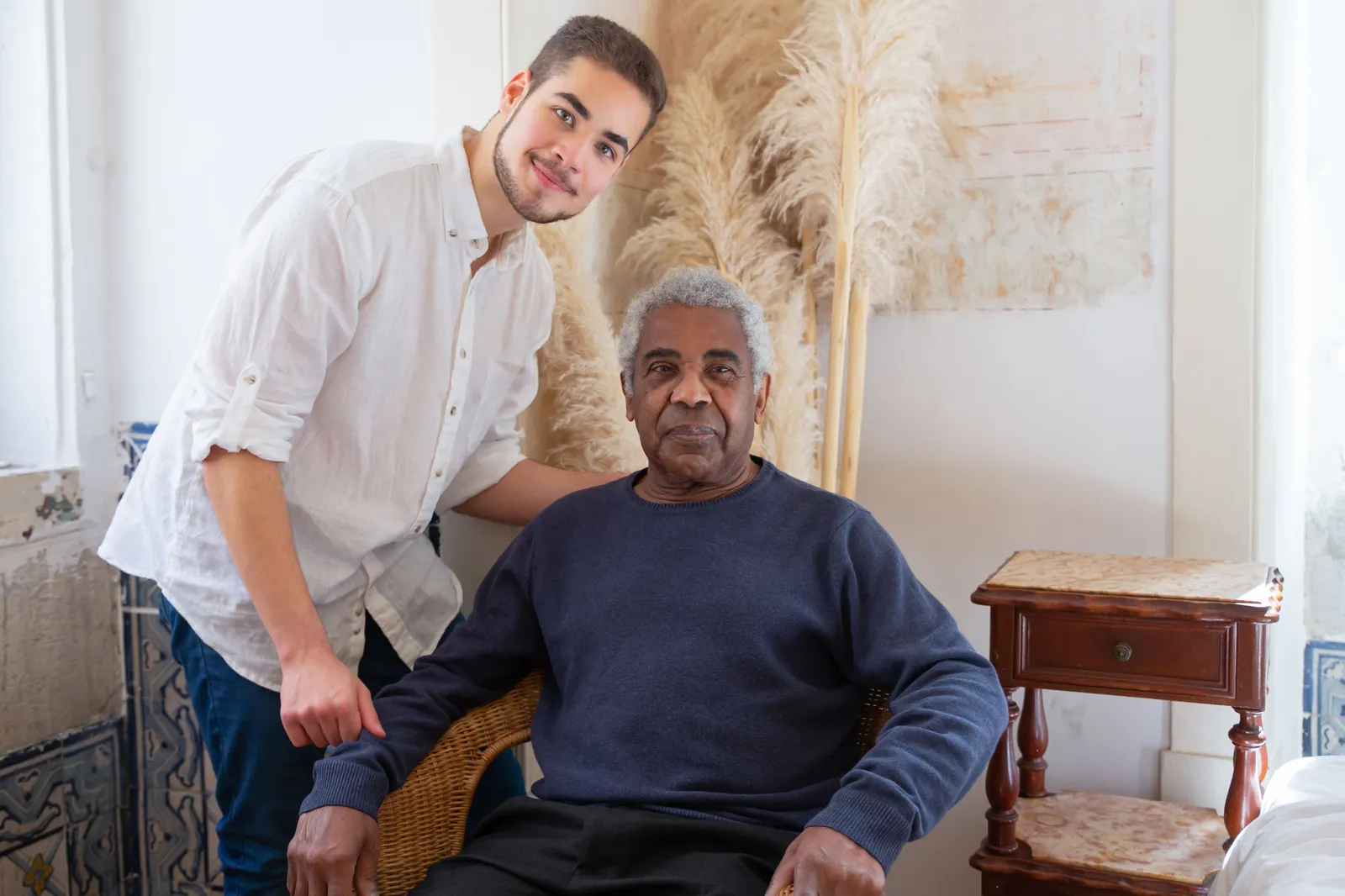
Residential Support
A comfortable, furnished apartment home with the everyday help each individual needs, guided by their own Provider Implementation Plan (PIP).
What it includes: A home that fits each individual’s needs, preferences and goals, set in the neighborhood rather than in a facility. Our team helps each individual build and keep the skills for everyday life, as their plan calls for: personal care such as bathing, dressing and grooming, using the bathroom, eating and moving around safely, along with cooking, budgeting, health appointments and getting around. The everyday choices about the home belong to the individual who lives there.
- Licensed DDA community residential services
- DDA service: Community Living – Group Home
- Furnished apartment homes

Supported Living
Help for adults who live in their own home or apartment, so they can run their household the way they choose.
What it includes: Help for adults to use and build independent living skills in their own home, which they own or lease, alone or with roommates. Based on each individual’s assessed needs and plan, our team provides hands-on help and personal care at the agreed times, such as household tasks, money, daily self-care like dressing, grooming and meals, and getting out and about.

Personal Supports
Respectful, hands-on help with daily living and health, in the individual’s own home and guided by their Person-Centered Plan.
What it includes: Assistance for adults who live in their own or their family’s home and want to build independent living skills. Our team helps at home, encourages individuals to take part in local life, and provides personal care, based on needs documented in the individual’s plan that family and other natural supports do not meet.
Daily living help: as-needed assistance with everyday self-care, scheduled around the individual’s own routine and guided by their plan:
- Bathing and showering
- Dressing
- Grooming and personal hygiene
- Using the bathroom and continence support
- Eating and meal support
- Moving around and safe transfers

Community Development Services (CDS)
Classes, clubs, volunteering and outings that build skills and friendships, all chosen by the individual.
What it includes: A way to feel more connected to the neighborhood. Our team helps each individual develop or maintain social and other skills for getting along with all kinds of people, through activities they choose, such as classes, clubs, volunteering and outings, with personal care assistance and transportation when needed. For adults aged 21 and older.

Respite Care Services
A caring break for families and caregivers, while their loved one keeps familiar routines and a trusted companion.
What it includes: Short-term, one-to-one attention that gives the individual and their family or other primary caregiver a break from daily routines. A trained team member spends time with the individual at home or in another approved setting, helping with daily self-care such as meals, dressing and personal care, so they keep their usual routine. For adults who live in their own or their family’s home.

Transportation Services
Rides to the places that matter, such as community activities, appointments, shopping, worship and visits with friends and family, based on each individual’s Person-Centered Plan. The goal is to help each individual get out and about more independently.
A place that feels like home
The individuals we serve live in comfortable, welcoming apartment homes, fully furnished and set up for everyday life, with the right level of help close by.

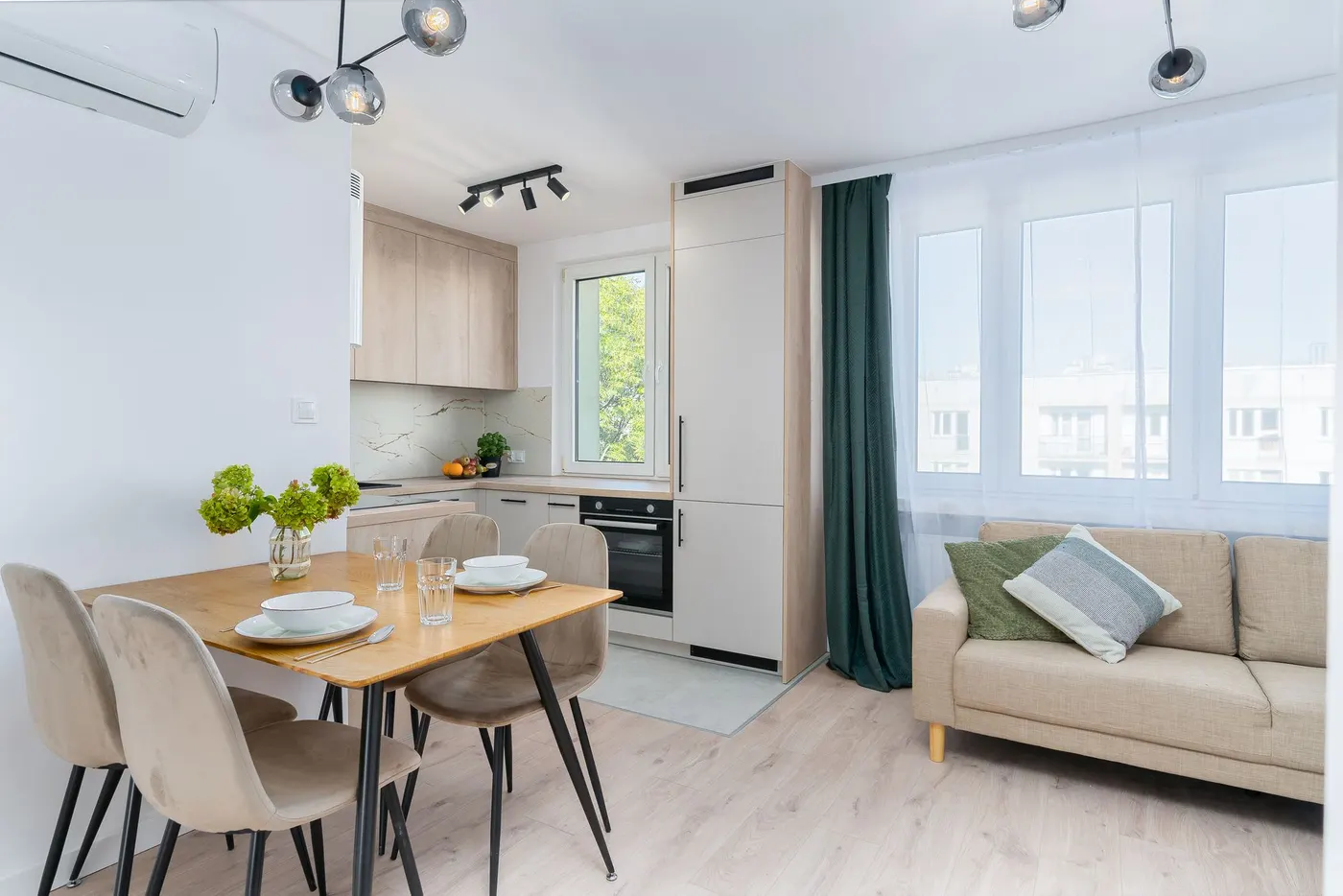


Photos are illustrative.
- Part of the neighborhoodHelp happens at home and out and about, so home life and community life go together.
From first call to a plan that fits
Every individual we serve has a plan that is theirs. It starts with who they are and what they want, and it guides the services we provide.
- 1
Referral and DDA eligibility
Referrals come from the individual, their family or their Coordinator of Community Services (CCS). DDA determines eligibility and funding.
- 2
Person-Centered Plan (PCP)
The plan is built around what matters to the individual: goals, preferences, strengths and who they want involved.
- 3
Provider Implementation Plan (PIP)
From the PCP, we write a PIP: the specific supports, who provides them, and measurable goals with how progress is tracked. The individual and their coordinator review it.
- 4
Review and adjust
We review the plan regularly with the individual, their family and their coordinator, and update it as life and goals change.
Eligibility and funding
Plain answers to the questions families and coordinators ask first.
Who can receive services
Adults with a developmental disability who are eligible through Maryland’s Developmental Disabilities Administration (DDA). DDA, not HLO Inc., decides eligibility.
Not sure whether you or your family member qualifies? Ask us. We will explain the process and what to ask your coordinator.
How services are paid for
Approved services are funded through DDA’s Medicaid waiver programs.
Everyday living costs such as rent, food and personal spending are usually the individual’s own responsibility, often covered by income such as SSI or SSDI. We explain what applies to each individual before services begin.
How to get started
Families and individuals can ask about services. Coordinators and agencies can send a referral. Either way, we follow up during office hours (Monday to Friday, 9am to 5pm), talk through the individual’s goals, and work with their Coordinator of Community Services on next steps.
Who we serve
We serve adults with intellectual and developmental disabilities, including adults who also experience any of the following.
Intellectual disabilities
We stand with adults with intellectual disabilities as they define a good life for themselves and live it.
Mental health support needs
We serve adults who also have mental health needs, working alongside their other providers.
Autism
We welcome autistic adults and offer the services they choose, to build independence and thrive.
- Cerebral palsy
- Muscular dystrophy
- Multiple sclerosis
- Blindness or severe visual impairment
- Deafness or severe hearing impairment
- Behavioral support needs
- Cystic fibrosis
- Epilepsy or seizure disorder
- Head injury
- Orthopedic impairment
- Specific learning disability
- Speech or language impairment
- Spina bifida
- Spinal cord injury
- Other neurological impairment
- Other disabilities
Not sure whether we are the right fit? We would be glad to talk it through. Please contact us.